

I’ve been researching senior fall prevention home safety for quite some time now. In my experience with this critical issue, I’ve discovered that making small changes in our homes can significantly reduce the risk of falls among seniors. I want to share what I’ve learned about senior fall prevention home safety because it’s an essential topic that affects many families.
As I’ve delved deeper into the subject, I’ve found that understanding senior fall prevention home safety starts with recognizing the common hazards in our living spaces. By identifying these risks, we can take proactive steps to create safer environments for our loved ones. In this article, I’ll share my insights and practical strategies to enhance senior fall prevention home safety.
Understanding Senior Fall Prevention Home Safety
Common Causes of Falls
From my research, I’ve learned that falls are often caused by a combination of factors, including environmental hazards, health issues, and mobility challenges. For instance, I’ve noticed that cluttered spaces can easily lead to tripping, and poor lighting makes it hard for seniors to navigate safely. Recognizing these common causes is the first step in enhancing senior fall prevention home safety.
I recommend taking a thorough walk-through of your home to identify potential hazards. This can be a revealing experience, highlighting areas that may need attention. I found that just by removing some loose rugs and ensuring that stairways are well-lit, I could significantly improve safety for seniors in my life.
The Importance of Awareness
In my experience, awareness is key when it comes to senior fall prevention home safety. It’s vital to communicate with seniors about the risks they face in their homes. I’ve often found that simply discussing these concerns encourages them to be more mindful of their surroundings.
I’ve also discovered that involving seniors in the safety assessment can empower them. It allows them to share their concerns and preferences, making it a collaborative effort. This way, they feel more in control and invested in their safety.
Innovative Strategies for Enhancing Home Safety
Easy Modifications
I believe that incorporating easy modifications can have a significant impact on senior fall prevention home safety. For instance, adding grab bars in bathrooms and hallways can provide crucial support for seniors when they need it most. I’ve seen firsthand how these simple additions can make a world of difference.
Another modification I recommend is using non-slip mats in the kitchen and bathroom. I’ve noticed that these mats not only prevent slips but also provide a sense of security for seniors moving around these areas. Implementing these changes can create a safer environment without requiring a complete renovation.
Smart Home Technology
As technology continues to evolve, I’ve found that incorporating smart home devices can greatly enhance senior fall prevention home safety. Devices such as smart lights that can be controlled via voice commands or smartphones can eliminate the need for seniors to navigate dark areas. Personally, I’ve installed smart lighting in my home, and it has been a game-changer for my elderly relatives.
Moreover, fall detection systems are becoming increasingly sophisticated. Some wearables can alert family members or emergency services if a fall occurs. I believe these innovations provide peace of mind for both seniors and their families, making it easier to ensure their safety.
Implementing Senior Fall Prevention Home Safety Measures
Creating a Safety Plan
In my experience, creating a comprehensive safety plan is essential for effective senior fall prevention home safety. This plan should outline specific measures to be taken in various areas of the home, considering the unique needs of the senior resident. I’ve found that having a clear plan can alleviate stress for everyone involved.
I recommend setting up regular safety checks to evaluate the effectiveness of your plan. These checks can help identify new hazards as they arise and ensure that the safety measures are still appropriate. It’s all about being proactive rather than reactive.
Encouraging Mobility and Exercise
I’ve learned that encouraging mobility is another crucial aspect of senior fall prevention home safety. Regular physical activity can improve strength, balance, and coordination in seniors, reducing their risk of falls. I often suggest simple exercises like walking or stretching to my family members.
Additionally, I’ve discovered that many local community centers offer programs specifically designed for seniors. Encouraging participation in these classes can foster social interaction while promoting safety through physical fitness. It’s a win-win situation!
Creating a Safe Living Environment
Home Layout and Design
In my opinion, the layout and design of a home can significantly influence senior fall prevention home safety. I recommend ensuring that furniture is arranged to provide clear pathways and that there are no obstacles in common walking areas. When I helped rearrange my grandmother’s living room, it made her feel much more comfortable moving around.
Another aspect to consider is the height of furniture. I’ve found that having chairs and beds at an appropriate height can make it easier for seniors to sit down and stand up, thereby reducing the risk of falls. Small changes can lead to major improvements in safety and comfort.
Outdoor Safety Considerations
I’ve realized that outdoor spaces often get overlooked when discussing senior fall prevention home safety. Ensuring that walkways are clear of debris and well-maintained can prevent slips and falls outside. I’ve made it a point to keep my outdoor areas tidy and well-lit for my parents.
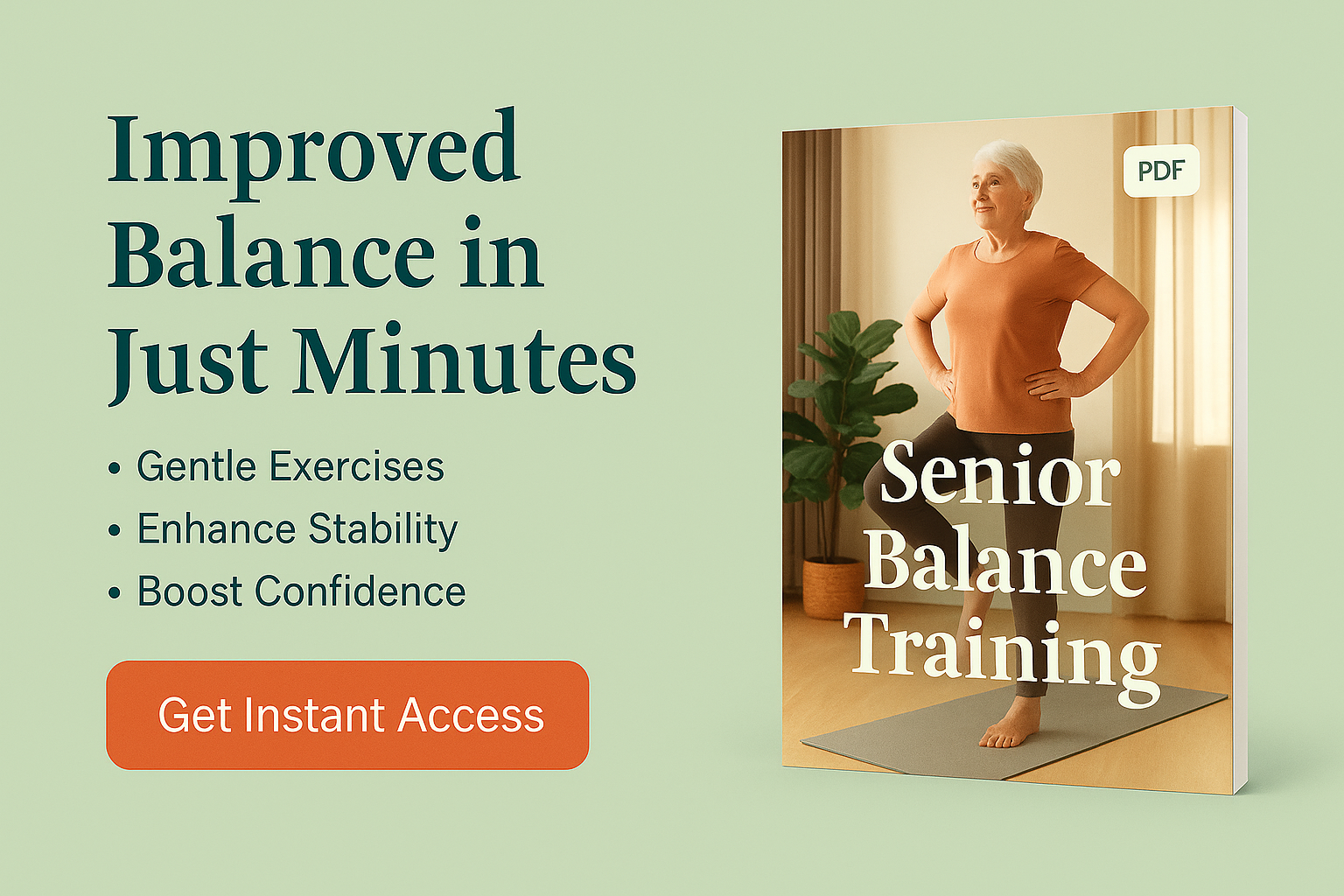
Additionally, I recommend considering the installation of handrails on outdoor steps and ensuring that any garden paths are stable and even. These adjustments can significantly enhance safety for seniors while they enjoy the outdoors.
References and Resources
Throughout my research on senior fall prevention home safety, I’ve found these resources incredibly valuable. I recommend checking them out for additional insights:
Authoritative Sources on senior fall prevention home safety
-
Preventing Falls: A Guide for Seniors
CDC.govThis resource provides essential statistics and safety tips for seniors to prevent falls.
-
Falls Prevention Programs
NCOA.orgAn overview of various programs aimed at preventing falls among older adults, with practical advice.
-
Falls and Fall-Related Injuries
NIA.nih.govA comprehensive look at the risks of falls and preventative measures for older adults.
-
Fall Prevention Tips for Seniors
AgingCare.comA practical guide with tips and strategies to reduce the risk of falls at home.
-
Home Fall Prevention
CPSC.govThis resource outlines various safety measures to prevent falls in the home.
-
Preventing Falls in Older Adults
MayoClinic.orgAn informative article discussing how to assess fall risk and implement prevention strategies.
-
Home Safety Technology for Seniors
AARP.orgInsights into various technological innovations that can aid in senior safety at home.
-
Senior Fall Prevention Research
SeniorLiving.orgResearch-based insights and statistics on fall prevention strategies for seniors.
Frequently Asked Questions
What are the most common fall hazards in the home?
In my experience, some of the most common fall hazards include loose rugs, poor lighting, and cluttered walkways. I recommend regularly assessing these areas and making necessary adjustments to enhance senior fall prevention home safety.
How can I improve senior fall prevention home safety?
I’ve found that simple modifications, such as adding grab bars and using non-slip mats, can significantly improve senior fall prevention home safety. Additionally, involving seniors in safety assessments can help them feel more engaged and aware of their surroundings.
What role does exercise play in preventing falls?
In my opinion, exercise is crucial for maintaining strength and balance, which are key factors in senior fall prevention home safety. I encourage seniors to engage in regular physical activity to reduce their risk of falling.
How can technology assist in fall prevention?
I’ve learned that technology can play a significant role in enhancing senior fall prevention home safety. Smart home devices, like automated lighting and fall detection systems, can provide added security and peace of mind for both seniors and their families.
Conclusion
In conclusion, my research on senior fall prevention home safety has shown that small, thoughtful changes can create a safer living environment for our seniors. I hope this guide helps you identify potential risks and implement effective strategies. Based on my experience, being proactive in enhancing safety not only protects our loved ones but also gives us peace of mind.

Find out more information about “senior fall prevention home safety”
Search for more resources and information:


